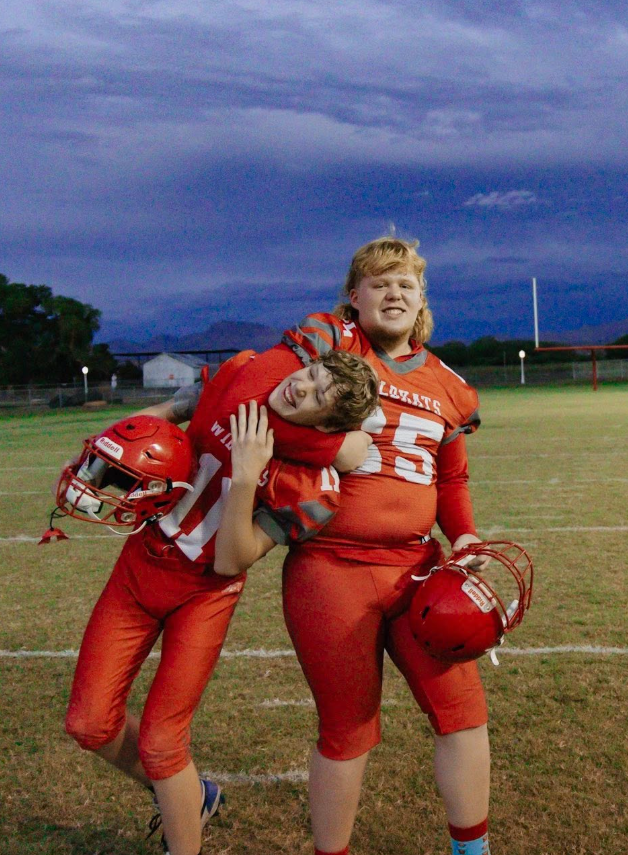
When our family first entered the recruiting world, I thought coaches would just find athletes during senior year. We quickly learned that recruiting starts much earlier — and families who understand the process early give their athletes a real advantage.
For this reason, this guide explains the steps we wish we understood sooner and what actually matters when trying to get recruited for college football.
Understanding How College Football Recruiting Really Works
The first biggest misconception is that recruiting begins senior year. In reality, the recruiting process often begins during the sophomore and junior years of high school.
For example, College coaches are not only looking for talent. They are looking for:
consistency
coachability
grades
communication
reliability
Therefore, athletes who wait to start preparing during senior year often discover coaches have already filled many roster spots.
Learning how to get recruited for college football early changes the outcome dramatically.
Step 1: Build a Recruitable Athlete Profile
Coaches need clear information quickly. A recruitable profile should include:
- height and weight
- position
- GPA
- graduation year
- high school name
- coach contact information
- statistics
- awards and honors
We used a recruiting platform called NCSA to organize communication with coaches and track interest, which helped keep everything in one place instead of scattered across emails.
Step 2: Create a Highlight Film (The Most Important Piece)
The most important part of recruiting is the highlight film.
Coaches rarely attend games first.
They watch film first.
A good highlight film should:
- be 3–5 minutes long
- start immediately (no long intros)
- clearly mark the athlete before the play
- show multiple game situations
Coaches often decide within the first 30 seconds whether they will continue watching.
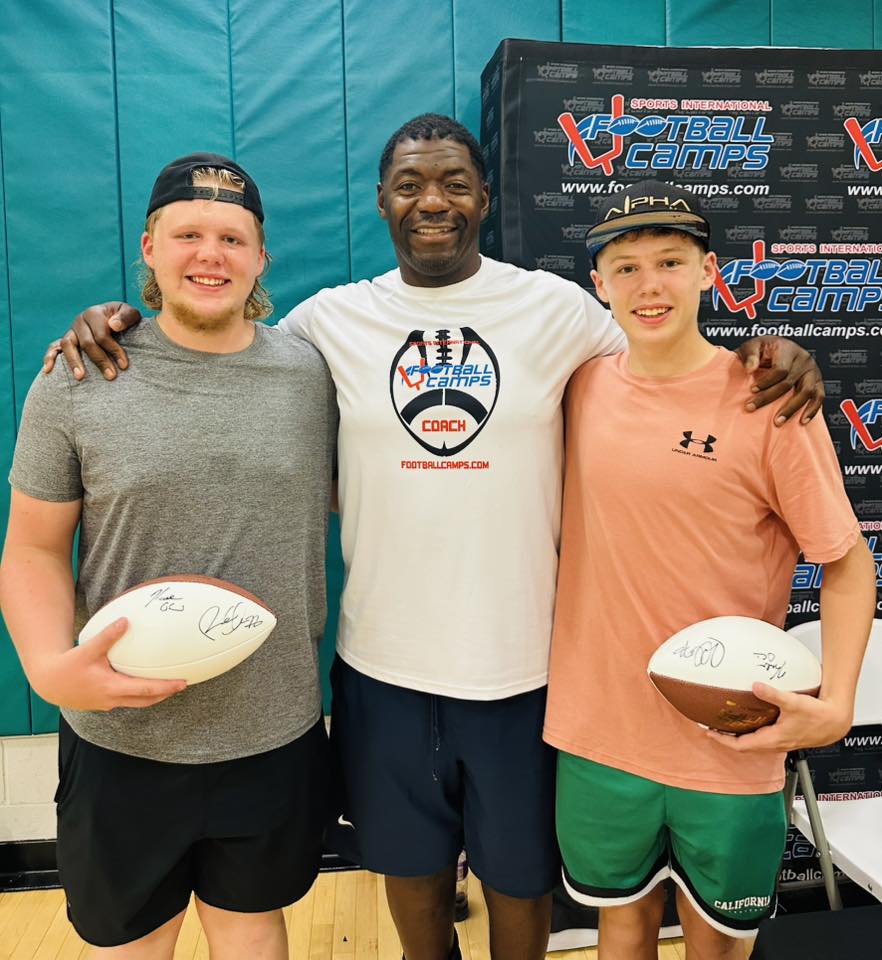
Josh and Connor with Roman Oben at Lineman Academy
Step 3: Start Contacting College Coaches
Many families wait for coaches to contact them.
Instead, athletes should contact coaches first.
Athletes should send:
- a short introduction email
- highlight film link
- schedule of upcoming games
- academic information
Consistent communication matters. Coaches recruit athletes who show initiative and responsibility.
Step 4: Understand the Recruiting Timeline
General timeline:
Sophomore Year
1. Build skills
2. Record game film
3. Begin strength training
Junior Year
1. Send film to coaches
2. Attend camps
3. Communicate regularly
Senior Year
1. Official visits
2. Offers
3. Roster decisions
Waiting until senior year makes recruiting much harder.
Step 5: Camps and Showcases
Camps allow coaches to evaluate athletes in person.
They also help athletes:
- learn expectations
- compare skill level
- gain exposure
Attending a few targeted camps is more effective than attending many random ones.
Helpful Recruiting Resources for Parents
One of the most helpful things for us was having a clear recruiting reference guide that explained NCAA rules, communication expectations, and timelines. Having a step-by-step resource helped us understand what coaches were looking for and what our athlete should be doing at each stage.
The Athletic Scholarship Playbook: A Complete College Recruiting Roadmap
The Student Athlete’s Guide to Getting Recruited
Disclosure: This post may contain affiliate links. As an Amazon Associate, I earn from qualifying purchases at no extra cost to you.
Parents don’t need to become recruiters, but understanding the process helps families support their athletes without unnecessary stress.
What Matters More Than Talent
Many athletes are talented. Coaches ultimately recruit athletes they trust.
They look for:
- work ethic
- grades
- coach recommendations
- attitude
- consistency
Football recruiting is not only about ability. It is about dependability.
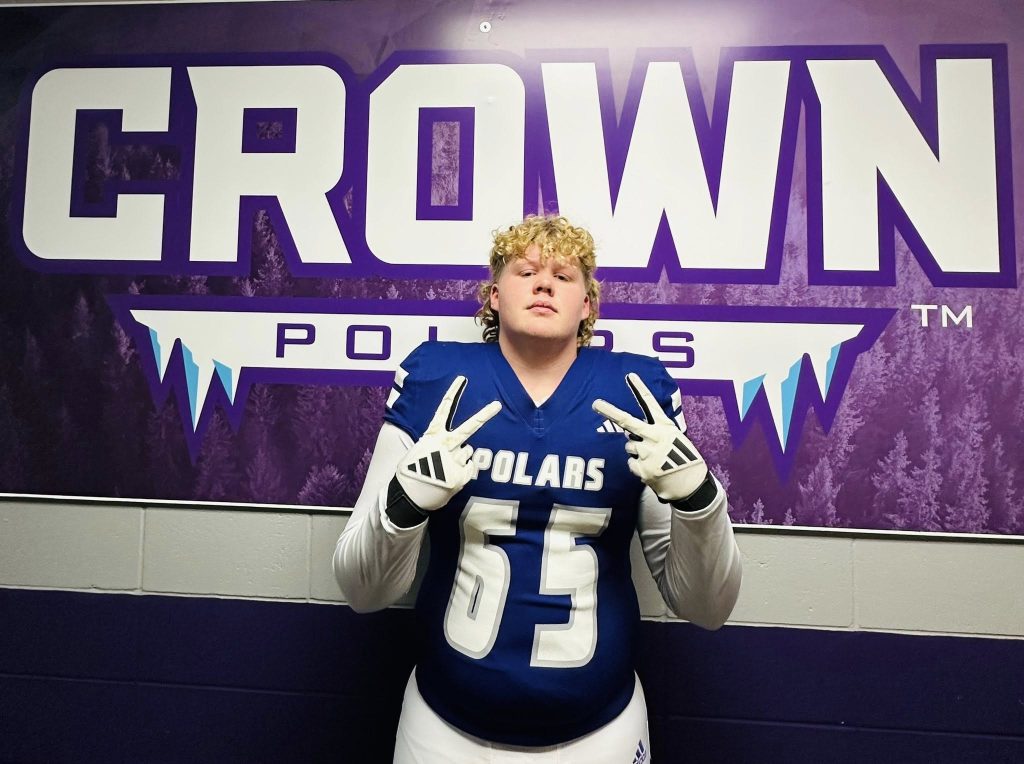
Final Thoughts for Parents
The recruiting process can feel confusing at first. However, once families understand the steps, it becomes much more manageable.
If you are wondering how to get recruited for college football, the most important thing is starting early and staying organized. Communication, academics, and preparation matter just as much as performance on the field.
Every athlete’s path looks different, but families who understand the process early are able to make better decisions and avoid unnecessary stress during senior year.
One thing many families don’t realize is that student-athletes do not need a full-ride scholarship to play college sports. Many athletes receive partial athletic aid, academic scholarships, or need-based assistance that combine to make college affordable. That’s why staying organized with scholarship applications matters just as much as the recruiting process. Using a clear tracking system helps families keep deadlines, essays, and requirements in one place so opportunities aren’t missed.